
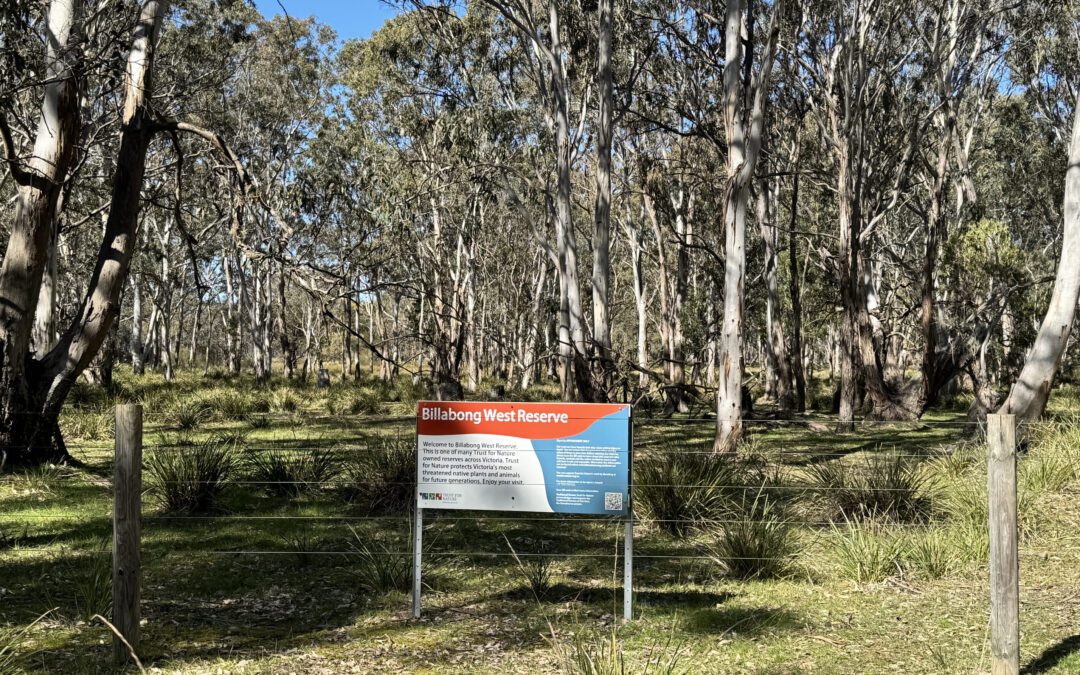
To many travellers, the section of the Princes Highway between Bairnsdale and Stratford is just scrubby forest with intermittent views of farmland. But a look beyond the never-ending road barriers reveals sections of precious, isolated and rare habitat that are home to critically endangered ecosystems and threatened species.
It was one of these areas, the Billabong West Reserve, that the EcoGipps team recently visited for a Trust for Nature workshop on setting up wildlife cameras in the hope of catching signs of the Pookila, previously known as the New Holland Mouse (Pseudomys novaehollandiae). This small native rodent is classified as Vulnerable nationally and facing an uncertain future with the continued threat of habitat loss from land clearing and fire.
Trust for Nature acquired the Billabong West Reserve in 2000 with funding from the National Reserve System Program and the RE Ross Foundation. The 31.15 ha site protects the nationally critically endangered Red Gum Grassy Woodland and the vulnerable ecological communities of Sedge Wetland and Plains Lowland Forest.
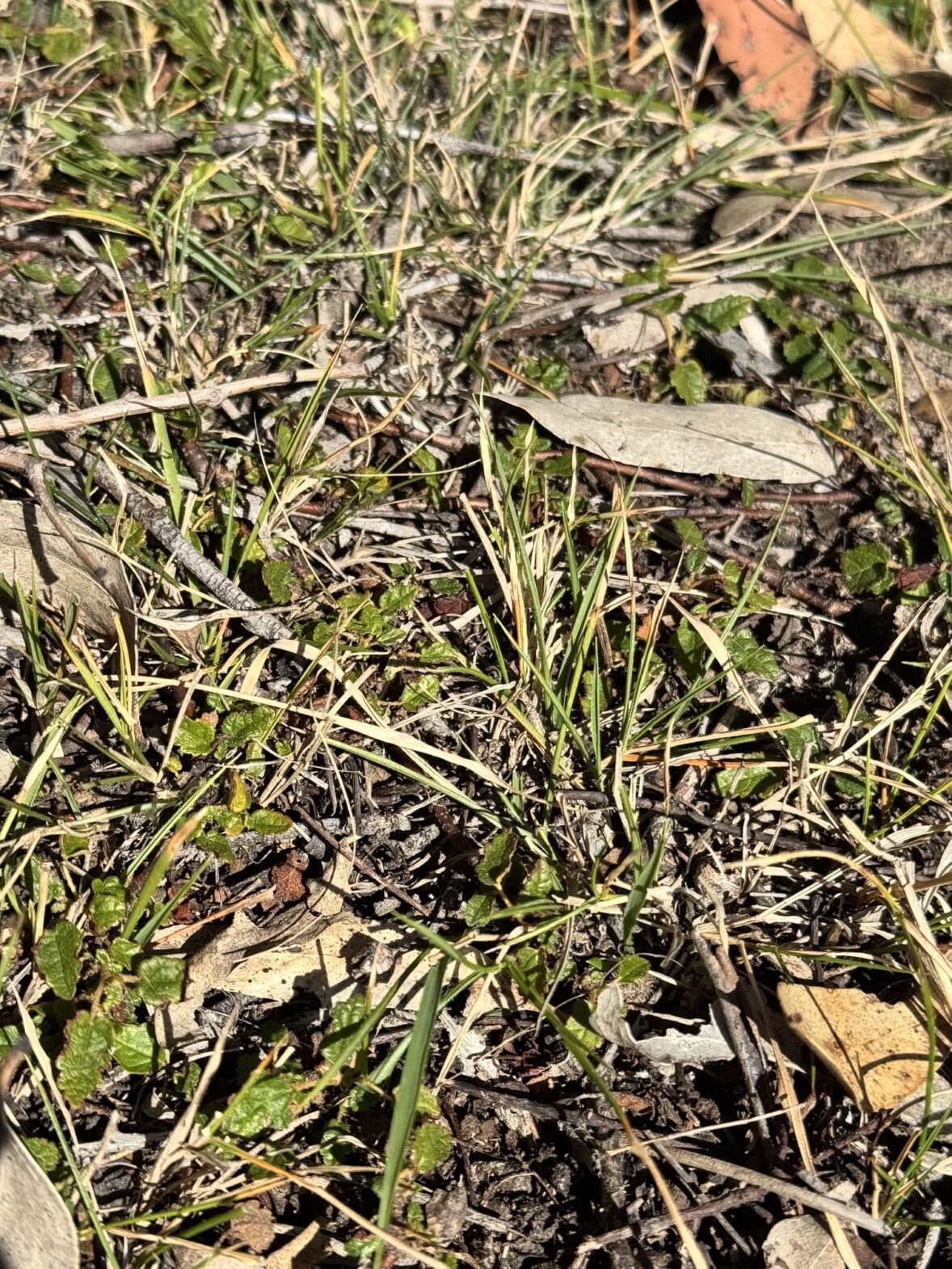
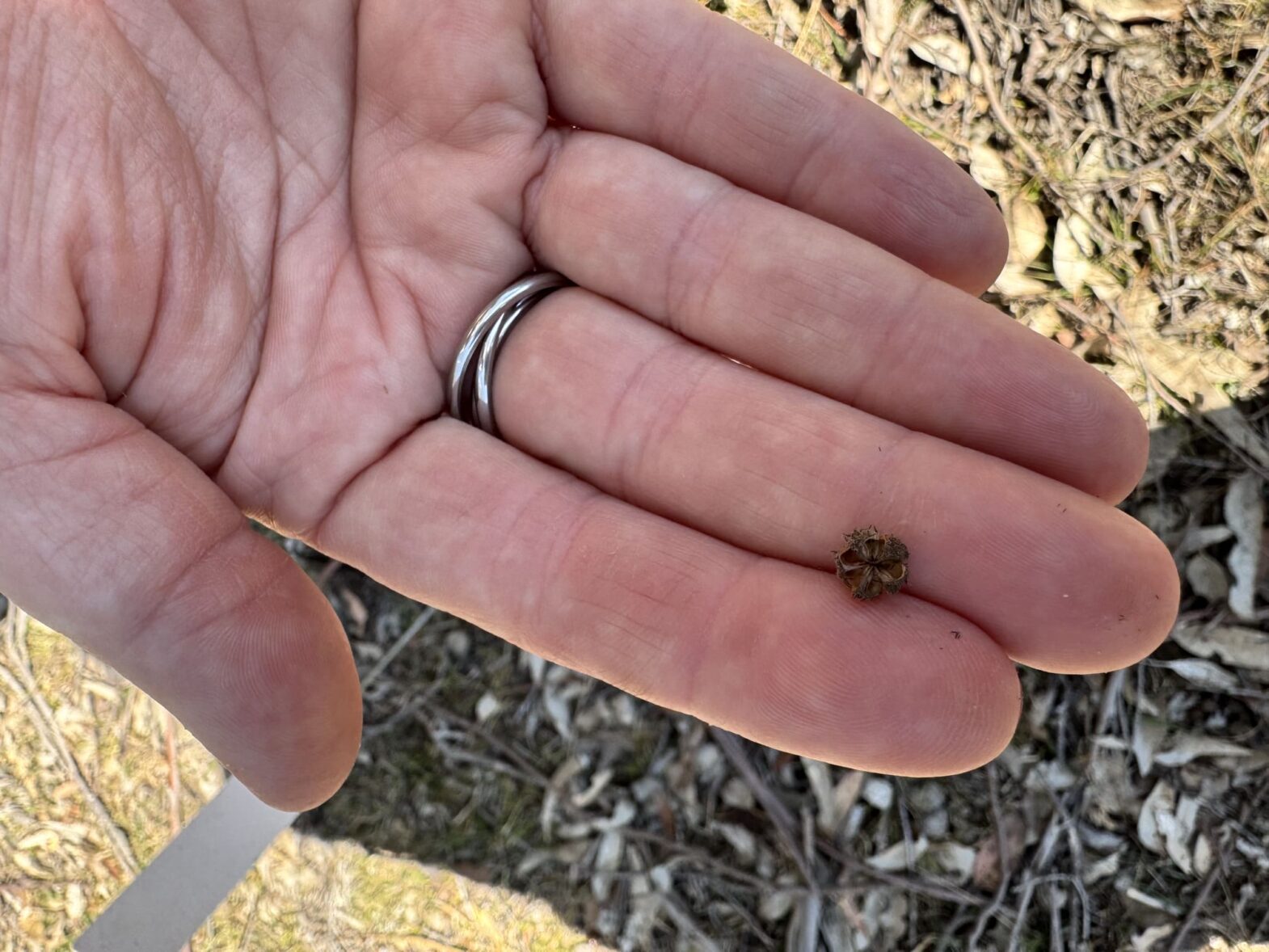
After a brief introduction to the site and quick lesson on all things Pookila, we set off to see the nationally endangered Dwarf Kerrawang (Commersonia prostrata) growing on a sunbaked bed of compacted soil. Recent drainage works on the nearby highway have significantly altered the amount of water moving into the Reserve. Inundations of the Sedge Wetlands have reduced in frequency, impacting the Kerrawang, which has a preference for growing in wetland margins. The remaining populations on the site are fenced to protect the plants from grazing kangaroos.
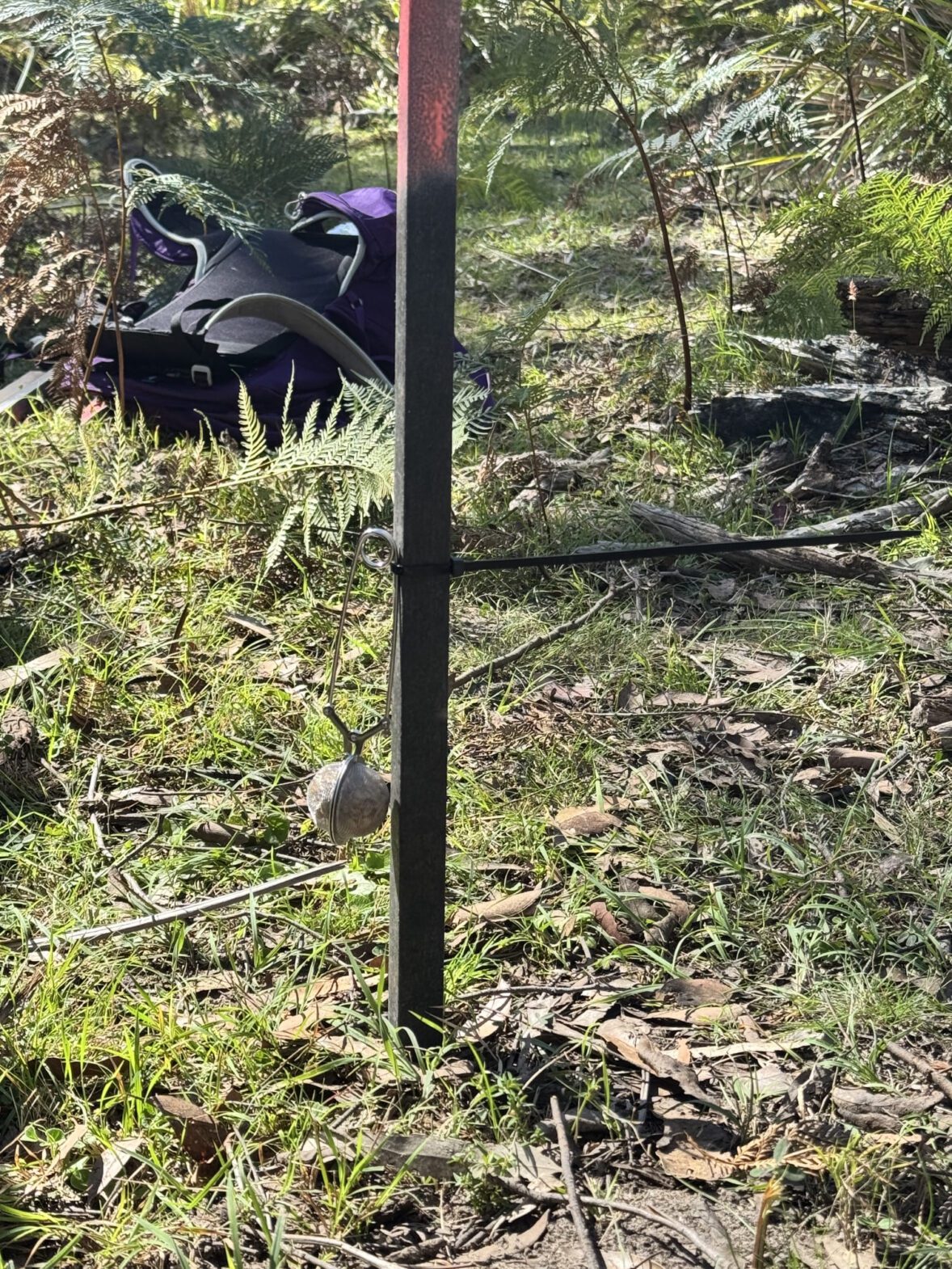
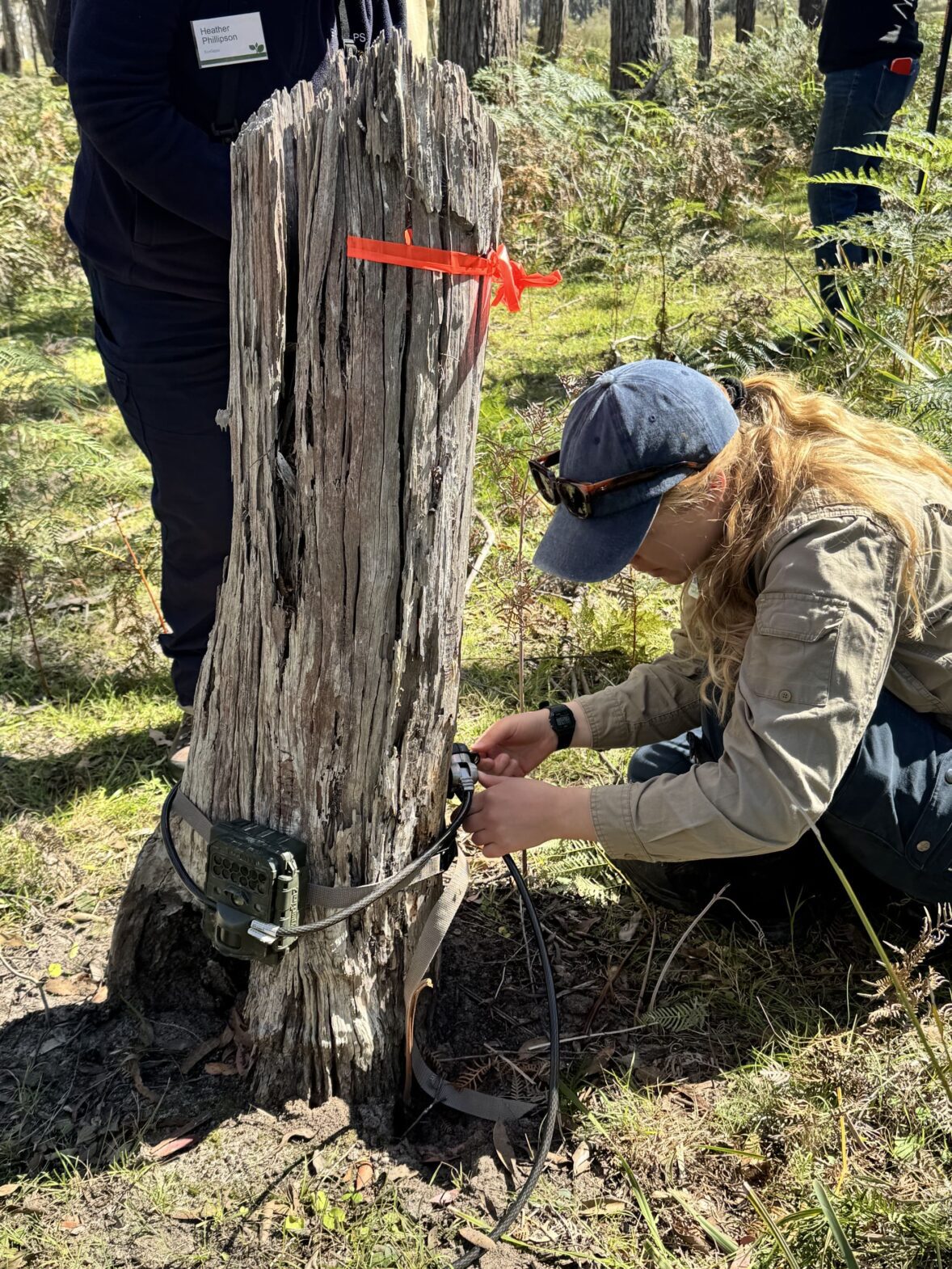
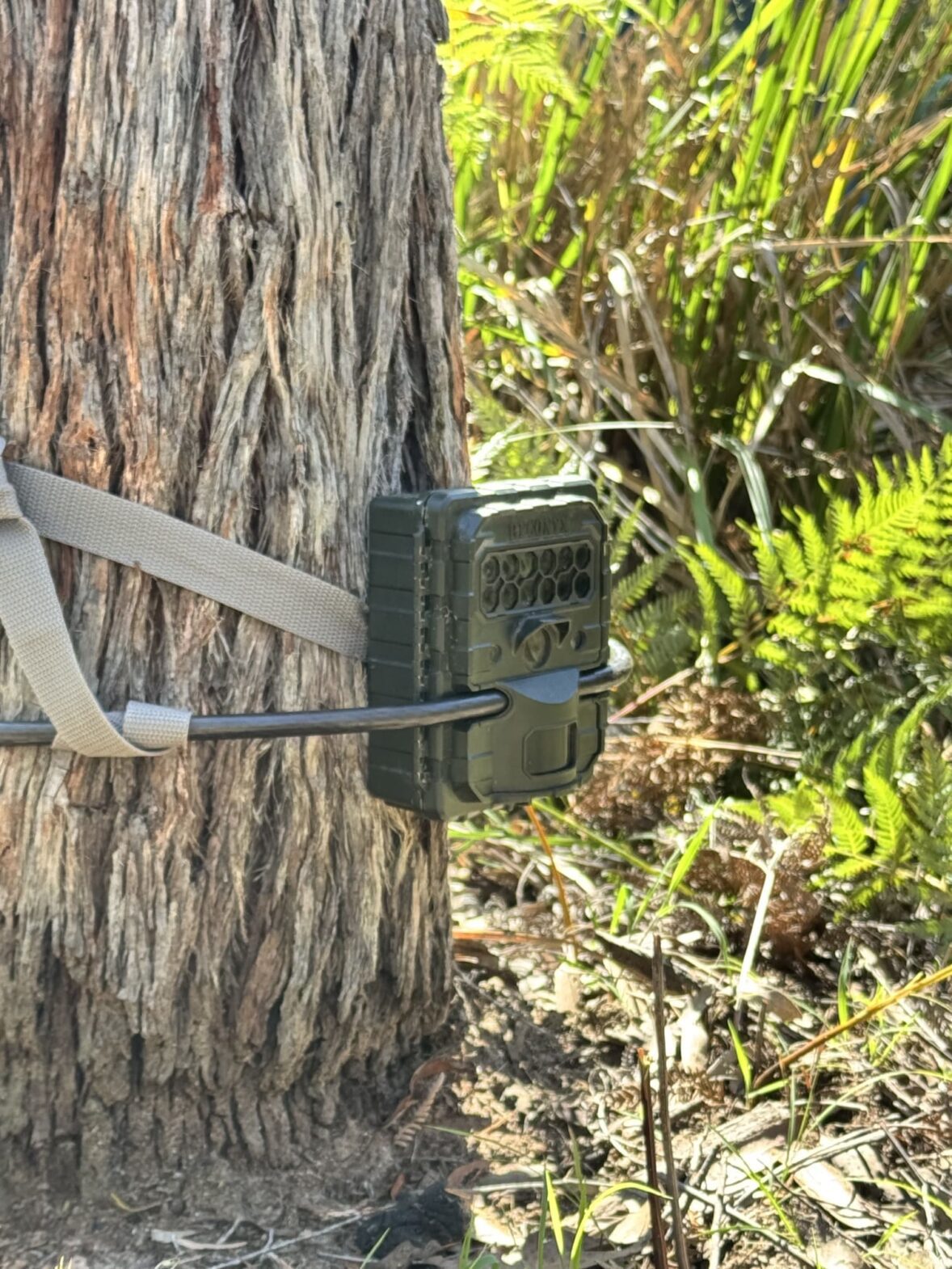
The remainder of the day focussed on showing participants how to set up wildlife cameras. Apparently the Pookila have a penchant for what sounds like a delicious energy ball made from rolled oats, vanilla, peanut butter and golden syrup. These were placed in tea infusers, then zip-tied onto a stake, with a camera placed about 90cm and set to take images of (hopefully) any hungry Pookila that calls the Reserve home. The Trust For Nature team will revisit the site to check on what’s been captured.
It’s learning practical skills like correctly setting up wildlife cameras that empowers the team at EcoGipps to become more proficient in monitoring and recording wildlife. Soon we’ll be setting up cameras at select locations to help get a greater understanding of the various wildlife that call EcoGipps home.
To find out more about the Billabong West Reserve visit the Trust for Nature website - trustfornature.org.au